STALAG 17: THE BERLIN SHADOW (2026)
March 26, 2026
🎖️ STALAG 17: THE BERLIN SHADOW (2026) returns with a gripping continuation of the classic wartime story, blending suspense, espionage, and psychological tension into a darker, more modern narrative. Set in the final days of World War II, the film shifts the focus from the prison camp itself to a dangerous mission deep inside Berlin. When intelligence suggests a hidden network of informants operating within Allied ranks, a former POW is recruited to uncover the truth. The opening sequence—set amid the ruins of a bombed-out city—immediately establishes a bleak, high-stakes atmosphere. From the start, survival is no longer enough—now it’s about uncovering shadows within allies.
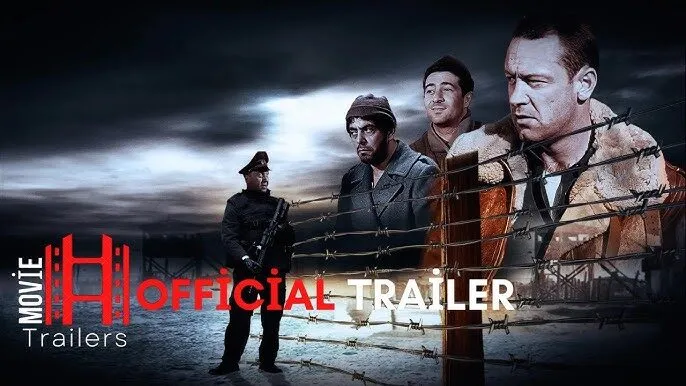
🕵️ The protagonist, once a prisoner, is now a reluctant spy navigating a city filled with suspicion and betrayal. His past experiences inside the camp shape every decision, making him cautious but deeply resilient. The supporting cast includes double agents, resistance fighters, and military officials, each with unclear loyalties. Performances lean heavily into subtlety, where trust is fragile and every conversation feels like a test. The tension comes not from action alone, but from the constant fear of being exposed.
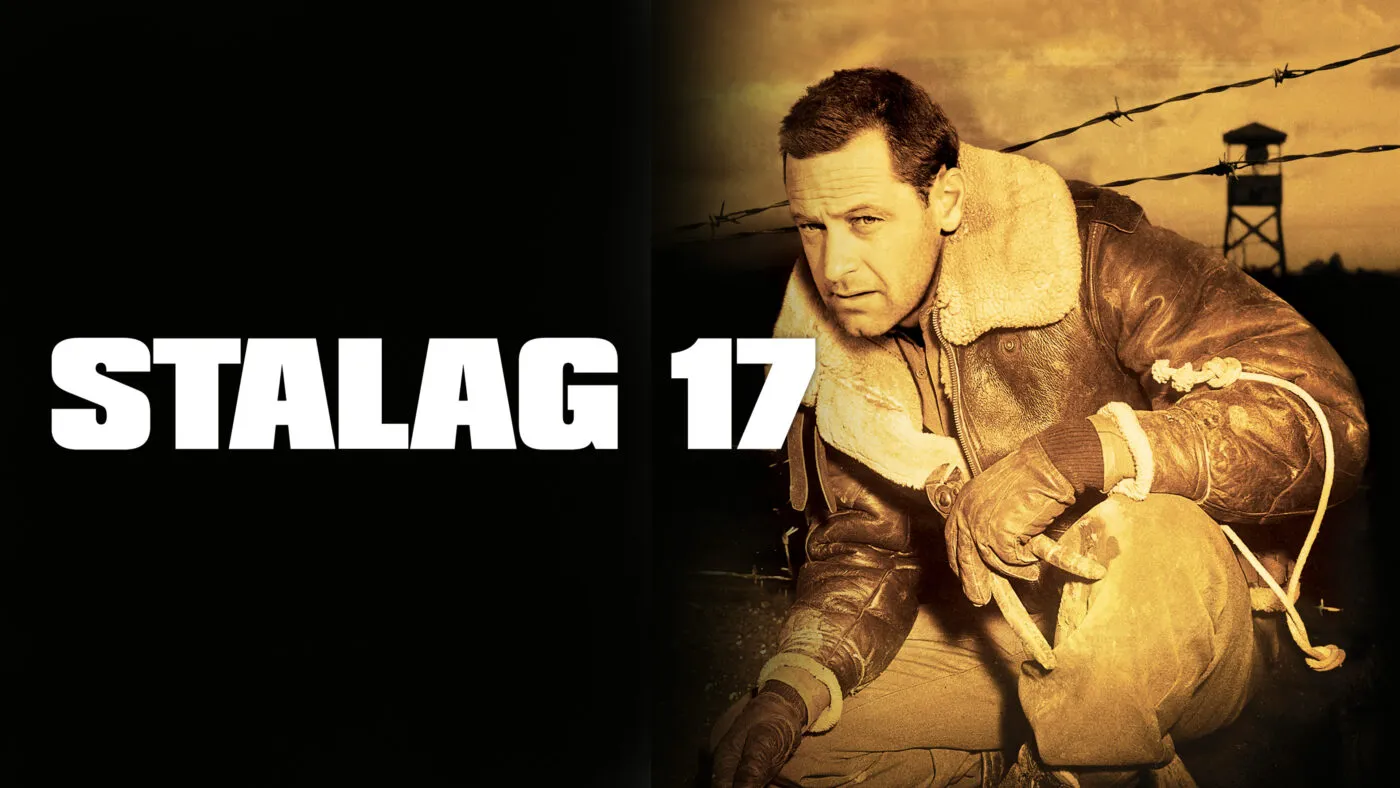
💣 The action sequences are grounded and strategic rather than explosive. Instead of large-scale battles, the film focuses on covert operations—silent infiltrations, coded messages, and close encounters that could turn deadly in seconds. A standout scene involves a tense meeting in an underground bunker, where one wrong word could reveal everything. The pacing builds steadily, making each moment feel calculated and dangerous. Suspense takes priority over spectacle.
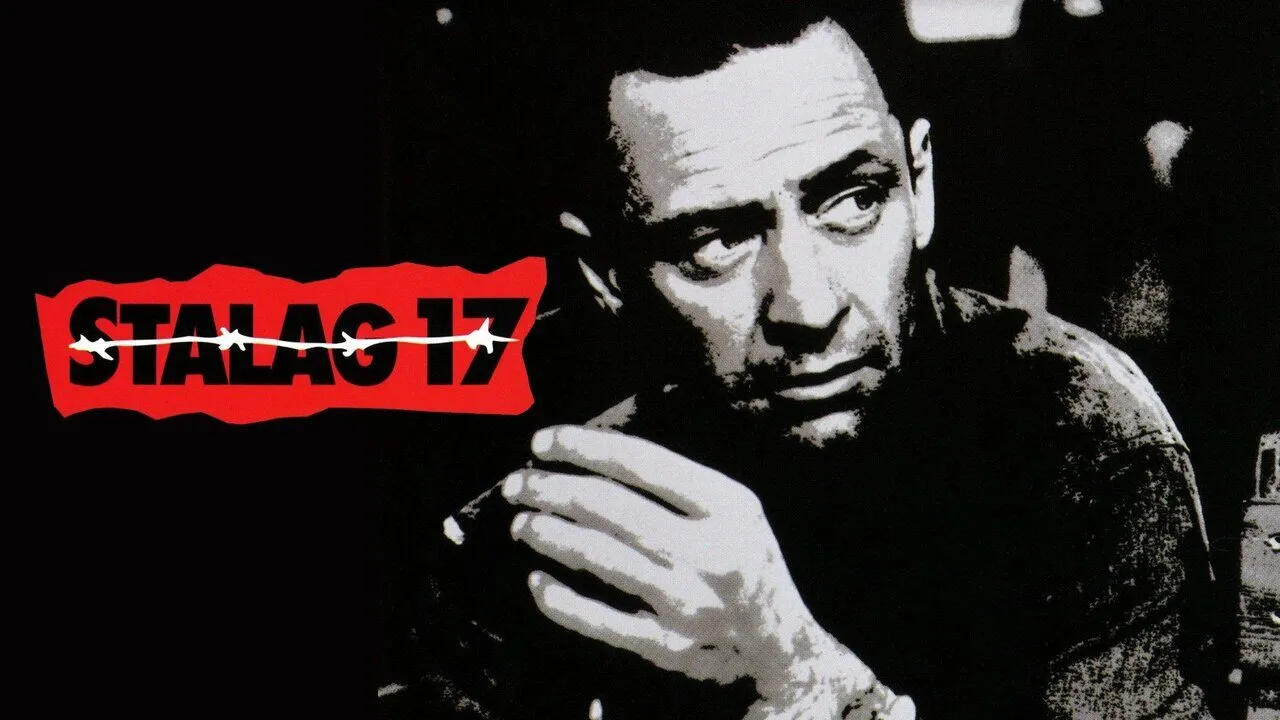
🌆 Visually, the film captures a war-torn Berlin with haunting realism. Crumbling buildings, smoke-filled streets, and dimly lit interiors create a constant sense of decay and danger. The cinematography uses shadows and narrow spaces to reinforce the feeling of being watched at all times. The color palette is muted, dominated by grays and cold tones that reflect the bleakness of the setting. Every location feels authentic and immersive.
🧠 Thematically, The Berlin Shadow explores trust, identity, and the moral ambiguity of war. It questions whether loyalty can truly exist in a world built on deception. The protagonist must confront the idea that enemies and allies are not always clearly defined. The story also reflects on survival—not just physical, but psychological—after enduring trauma. These deeper themes give the film a strong emotional core.
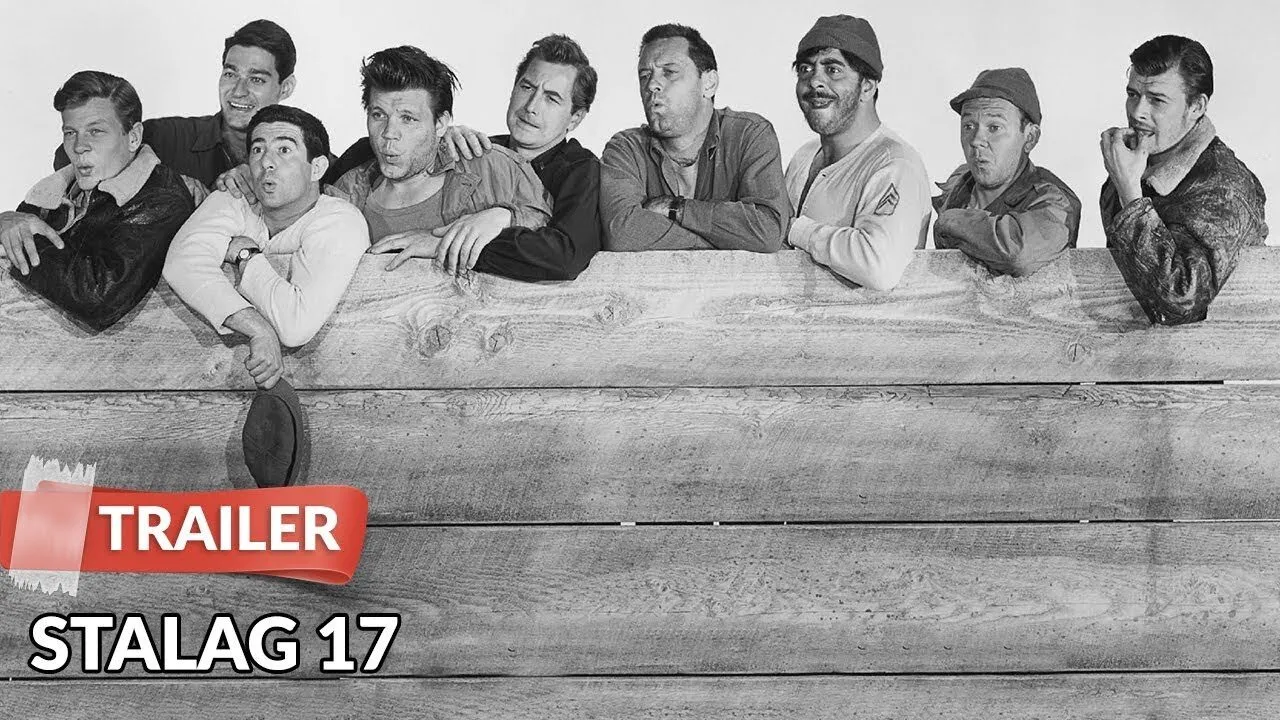
⭐ Overall, STALAG 17: THE BERLIN SHADOW (2026) delivers a tense, intelligent continuation that shifts from traditional war drama to espionage thriller. It respects the legacy of the original while expanding into darker, more complex territory. The film prioritizes atmosphere, character, and suspense over large-scale action. For fans of slow-burn, thought-provoking war stories, it offers a compelling experience. In the end, the greatest danger isn’t the war outside—it’s the secrets within.